
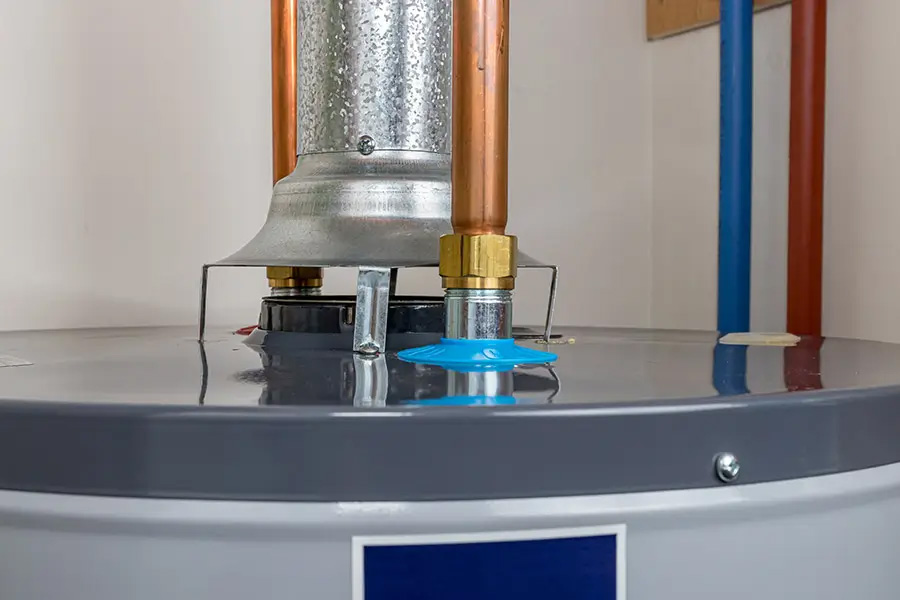
To maintain your water heater in Brownsburg, IN, start by checking the temperature setting, ideally around 120°F. Regularly inspect the anode rod for corrosion and flush the tank annually to prevent sediment buildup. Keep an eye out for leaks or rust, and guarantee proper ventilation and insulation for efficiency. Don’t forget to schedule professional maintenance for thorough inspections and peace of mind. Each of these tips plays an essential role in prolonging your unit’s lifespan, and there’s more to explore!
Check the Temperature Setting Regularly
To guarantee your water heater operates efficiently, make it a habit to check the temperature setting regularly. Ideally, you should set it to 120 degrees Fahrenheit. This temperature provides ample hot water while preventing scalding and reducing energy costs.
Adjusting the thermostat is simple. Locate the temperature dial, usually found on the front of the unit, and turn it to your desired setting. Don’t forget to check it at least every few months.
Water heaters can sometimes adjust their settings due to fluctuations or use patterns. If you notice that your hot water isn’t lasting as long as it should or if you experience fluctuations in temperature, it might be time to reassess the settings.
Keeping your water heater at the right temperature not only enhances efficiency but also prolongs the life of the unit. By staying proactive, you ascertain comfort and safety in your home. Regular maintenance and quick service for leaking or malfunctioning water heaters can help avoid bigger issues down the line.
Inspect the Anode Rod
While you may not think about it often, inspecting the anode rod in your water heater is essential for its longevity and efficiency. The anode rod acts as a sacrificial element, preventing corrosion in your tank. Over time, it can degrade and become less effective, which may lead to rust and leaks.
Make it a habit to check the rod every few years, or more frequently if you have hard water.
To inspect it, turn off the power and water supply, then drain a bit of water from the tank. Remove the rod, and look for signs of wear, such as significant corrosion or a diameter smaller than half an inch.
If it’s heavily corroded or damaged, replace it immediately to protect your investment. Keeping an eye on this critical component will enhance your water heater’s lifespan and maintain its efficiency, ensuring you have hot water when you need it. For professional assistance, consider reaching out to comprehensive plumbing repair services that can help with your water heater needs.
Flush the Water Heater Annually
Flushing your water heater annually is essential to prevent sediment buildup. This simple maintenance task not only keeps your unit running smoothly but also enhances its energy efficiency. Additionally, regular flushing can help ensure that your water remains free from local contaminants, which is crucial for maintaining clean drinking water.
Prevent Sediment Buildup
Neglecting to flush your water heater annually can lead to sediment buildup, which can affect its efficiency and lifespan.
Over time, minerals like calcium and magnesium settle at the bottom of the tank, creating a sludge that hinders heating performance.
To prevent this, make it a habit to flush your water heater once a year.
Simply turn off the power and cold water supply, attach a hose to the drain valve, and let the water run until it’s clear.
This process not only removes sediment but also helps maintain peak heating efficiency.
Enhance Energy Efficiency
To enhance energy efficiency and keep your water heater running smoothly, make it a priority to flush it annually.
Over time, sediment builds up at the bottom of the tank, reducing heating efficiency and leading to potential damage. By flushing the tank, you’ll remove this buildup, allowing your heater to operate more effectively and use less energy.
To flush, turn off the heater, connect a garden hose to the drain valve, and let the water flow into a bucket or drain.
Open the valve and allow the tank to empty, then close it, refill the tank, and restart your heater.
Regular flushing not only improves efficiency but also extends the lifespan of your water heater, saving you money in the long run.
Look for Leaks and Corrosion
Since water heaters operate under pressure and contain water, keeping an eye out for leaks and corrosion is vital for maintaining their efficiency and longevity.
Regularly inspect the area around your water heater for any signs of moisture or water pooling. Check the pressure relief valve and connections for drips, as these are common leak sources.
Corrosion can weaken the tank, so look for rust spots or discoloration on the exterior. Pay attention to the anode rod inside the tank, as it helps prevent corrosion; replace it every few years. Additionally, addressing clogged drains promptly can help prevent issues that affect your water heater’s operation.
If you notice any significant leaks or corrosion, it’s important to act quickly. Contact a professional for repairs or replacements to avoid further damage.
Maintain Proper Ventilation
To keep your water heater running efficiently, it’s essential to guarantee proper ventilation.
Make sure there’s enough airflow clearance around the unit and regularly check the venting system for any blockages.
This simple step can prevent overheating and improve the overall performance of your water heater.
Ensure Airflow Clearance
Maintaining proper ventilation is essential for your water heater’s efficiency and longevity. Make sure there’s plenty of airflow around your unit. Clear away any clutter, such as boxes, tools, or furniture, that might block vents or restrict airflow.
Ideally, you should provide at least 12 inches of space around the heater for peak performance. This space helps the unit access the air it needs for combustion and prevents overheating. If your water heater is in a closet or small space, consider installing a vent to enhance airflow.
Regularly check for dust or debris buildup, as this can also hinder ventilation. By ensuring adequate airflow clearance, you’ll help your water heater run smoothly and efficiently for years to come.
Check Venting System
Checking your venting system is essential for ensuring your water heater operates safely and efficiently. A properly functioning venting system allows harmful gases, like carbon monoxide, to escape your home.
Start by inspecting the vent pipes for any blockages or damage. Look for rust, corrosion, or loose connections that could affect airflow. Make sure the vents are clear of debris and have no sharp bends that might trap gases.
If you notice anything unusual, don’t hesitate to call a professional. Regular checks not only enhance safety but also improve your water heater’s efficiency.
At Complete Comfort, we can assist with inspections and repairs, ensuring your water heater runs smoothly all year round. Trust us to keep your home safe and comfortable!
Insulate the Heater and Pipes
While you mightn’t think about it often, insulating your water heater and pipes can greatly reduce energy costs and improve efficiency. By taking this simple step, you can make a noticeable difference in your home’s energy consumption.
Here are some benefits of insulation:
- Reduced heat loss: Keeps water hot longer, minimizing energy use.
- Lower utility bills: Saves you money on monthly energy costs.
- Increased lifespan: Protects your water heater from wear and tear.
- Enhanced safety: Reduces the risk of burns from hot pipes.
To insulate your water heater, consider using a water heater blanket, which is easy to install and very effective.
For pipes, foam pipe insulation works wonders. Wrap the insulation around any hot water pipes, focusing on areas that run through unconditioned spaces.
Investing a little time and effort now can lead to significant savings and improved performance in the long run!
Schedule Professional Maintenance
Scheduling professional maintenance for your water heater can prevent unexpected breakdowns and guarantee peak performance. You should aim to have a trained technician inspect your system at least once a year. This routine check-up helps identify potential issues before they escalate into costly repairs.
During the appointment, the technician will assess components like the thermostat, heating elements, and pressure relief valve, ensuring everything’s functioning correctly.
Additionally, a professional can flush the tank, removing sediment buildup that can reduce efficiency and lifespan. By partnering with a reputable company like Complete Comfort Heating, Air & Plumbing, you’ll benefit from expert skill and transparent communication.
Not only do they offer 24/7 emergency service, but their thorough maintenance plans also provide peace of mind. Don’t wait for an issue to arise—schedule your professional maintenance today and enjoy uninterrupted hot water for years to come!
Conclusion
By following these seven practical tips, you can keep your water heater in great shape and avoid costly repairs. You might think regular maintenance is a hassle, but it’s actually a quick and easy way to save money in the long run. Plus, a well-maintained unit runs more efficiently, so you’ll enjoy lower energy bills. Take a proactive approach, and you’ll have reliable hot water whenever you need it—no surprises, just comfort!